
Black Spots on Succulents? (Causes, Treatments and Prevention)
Succulents are a popular choice for people who want to add some life and color to their homes. Succulents come in
Entering the world of succulents and cactus plants can be intimidating.
Here we cover everything you need to know for growing these unique houseplants.
Succulents are a popular choice for people who want to add some life and color to their homes. Succulents come in
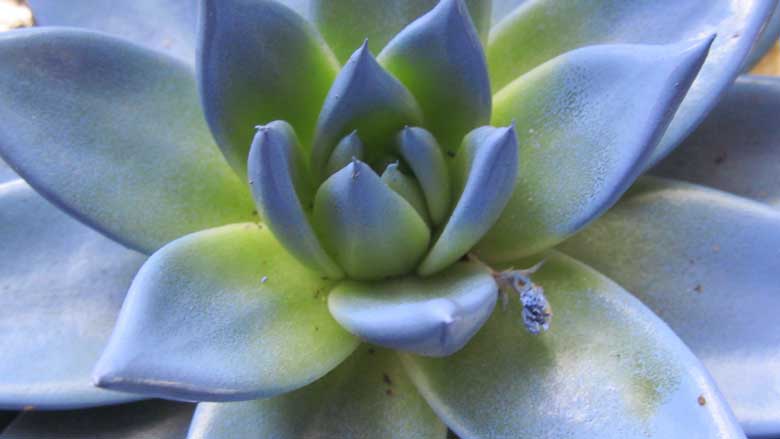
White spots on succulents are not uncommon. These white spots can be unsightly, and it’s important not to let them spread,
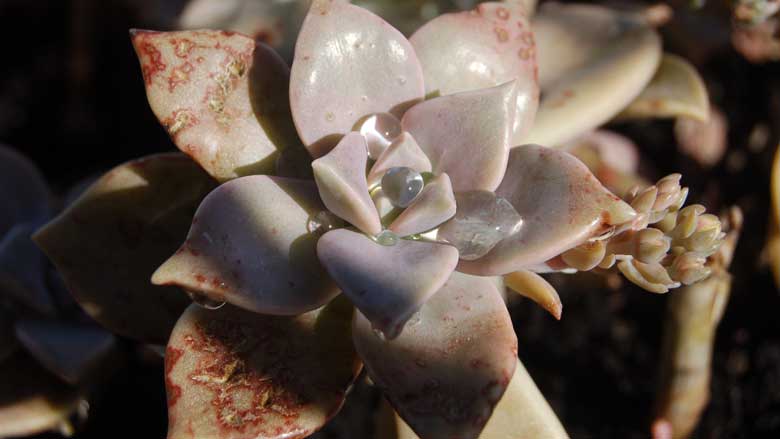
Brown spots on succulents, often caused by environmental factors, aging, pests, or disease, can be treated by adjusting care routines. Ensure
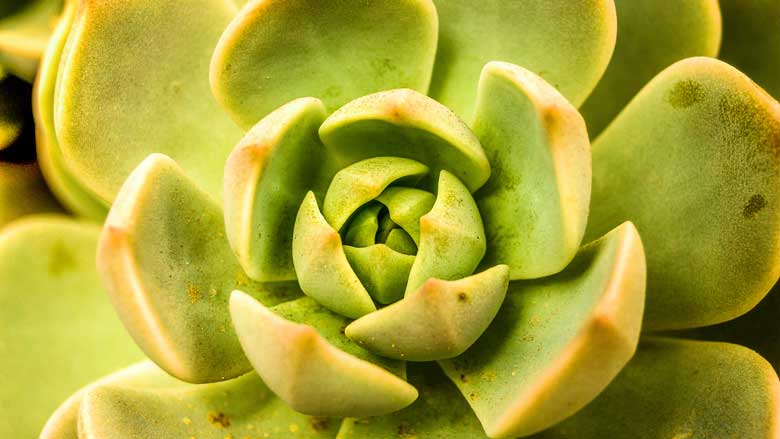
Succulent leaves turn yellow due to overwatering, underwatering, excessive sun or shade, overfeeding, pests, nutrient deficiencies, cold temperatures, or root issues.
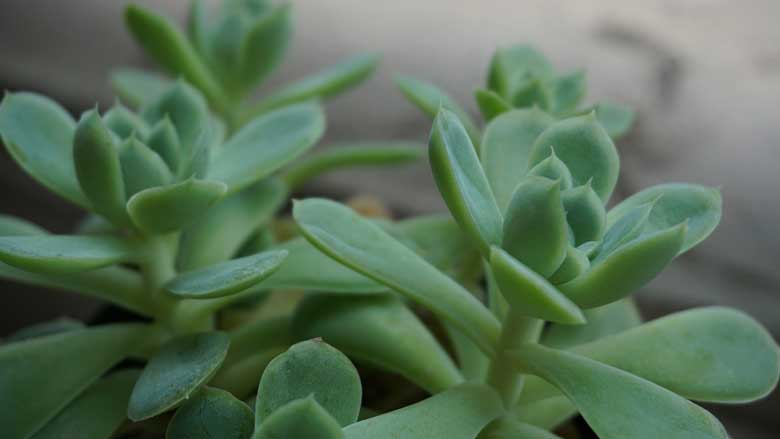
Succulents are a beautiful addition to any home that needs a little bit of color. They’re also very low maintenance and
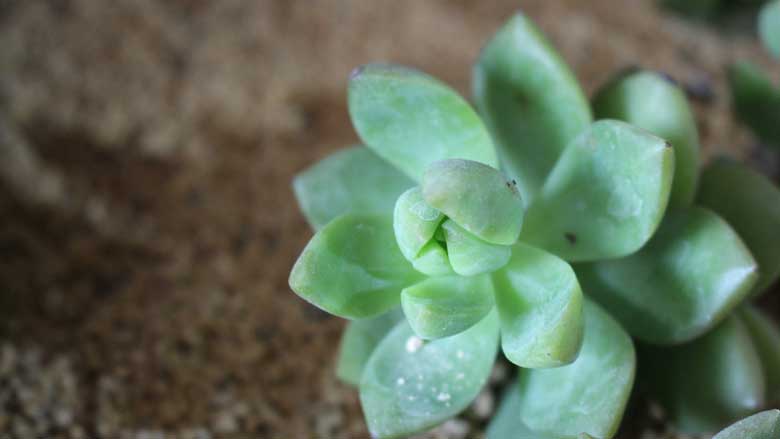
There are few things more frustrating than mealybugs on succulents. These mealybugs will feed on the sap of your succulents and
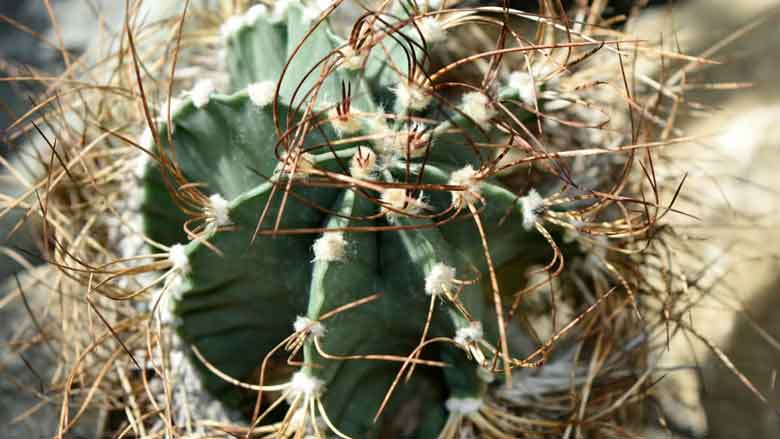
Mealybugs infest cactus plants, feeding on sap and hindering growth. Identify them by white fluff, egg sacs, and sticky secretions. Causes
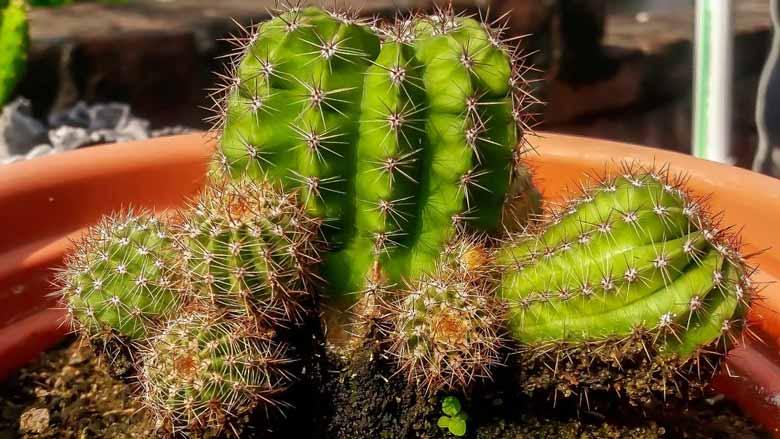
Cactus root rotting, caused by the fungus Phytophthora cactorum, threatens these desert plants. Symptoms include stem discoloration, mushy roots, and wilting
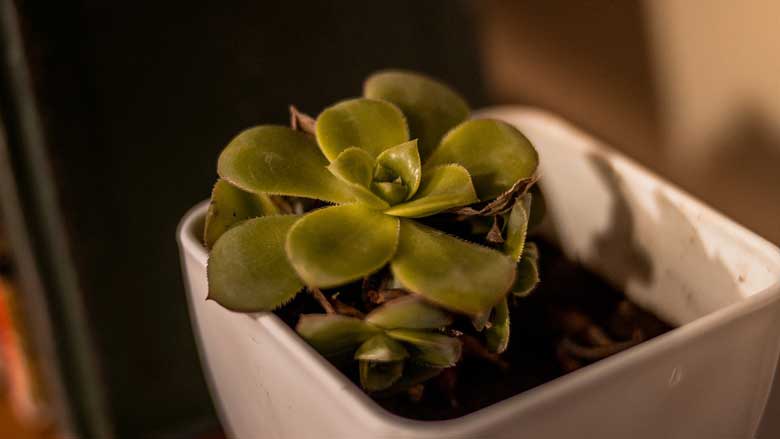
Succulent root rot is a fungal infection that harms the plant’s roots. Overwatering, poor drainage, and root damage are common causes.
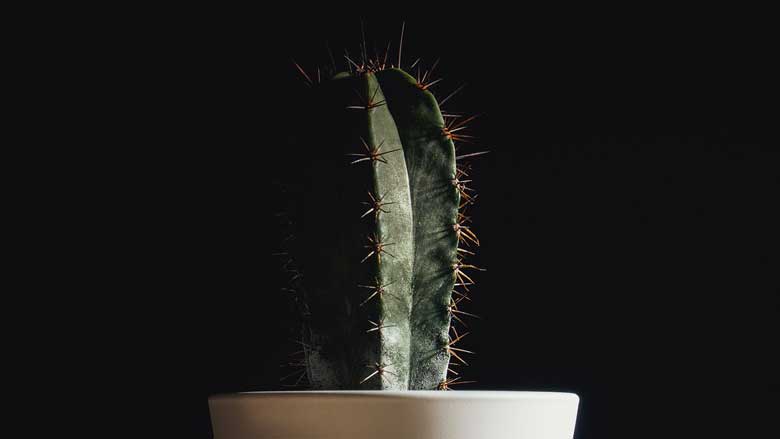
Fungal infections in cacti, often seen as white mold at the base, stem from overwatering, humidity, and poor soil. Identifying and
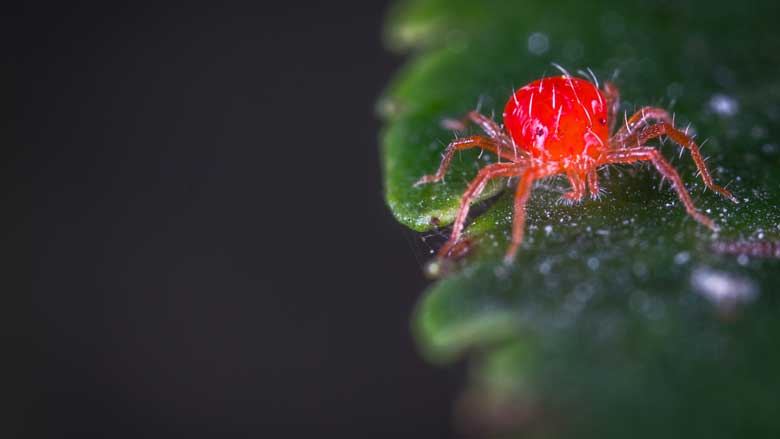
Spider mites are tiny spider-like creatures that can wreak havoc on cactus plants. These bugs are well known for sucking the
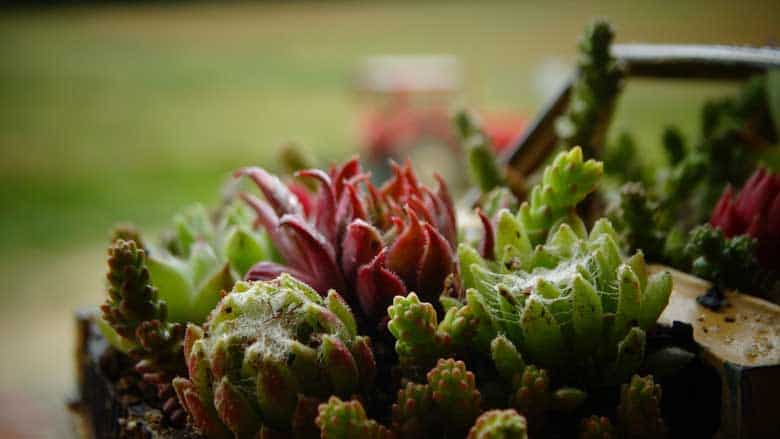
Spider mites are tiny pests that damage succulents by feeding on their juices, causing yellowing and webbing. To control them, isolate
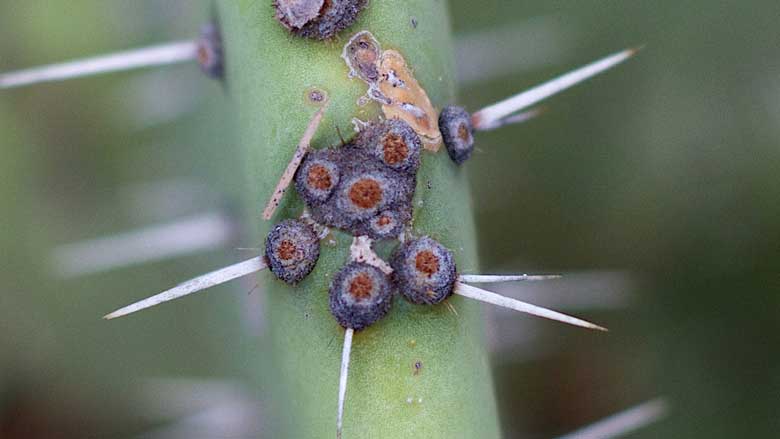
Scale insects harm cacti by feeding on sap, causing discoloration and damage. Detect them by whitish bumps on stems and leaves.
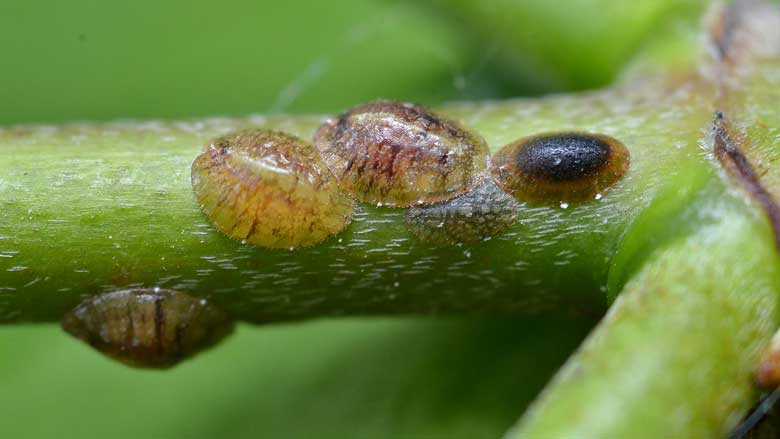
Scale is a common problem for succulents. It’s easy to spot scale on your plant but difficult to get rid of
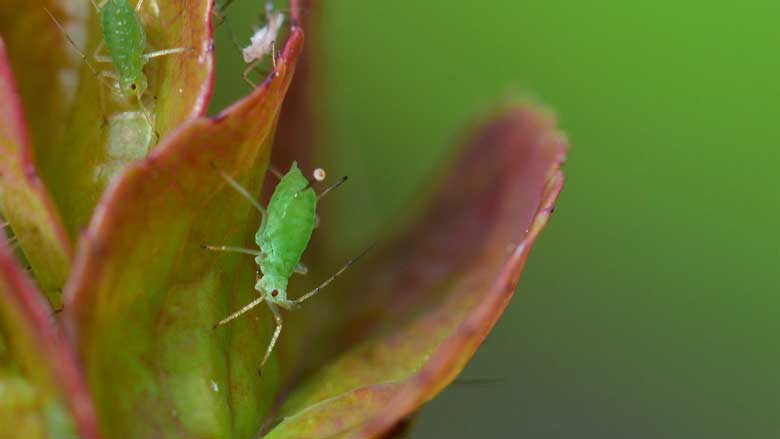
Aphids are one of the worst pests to have in your succulent garden. They can quickly take over and leave you
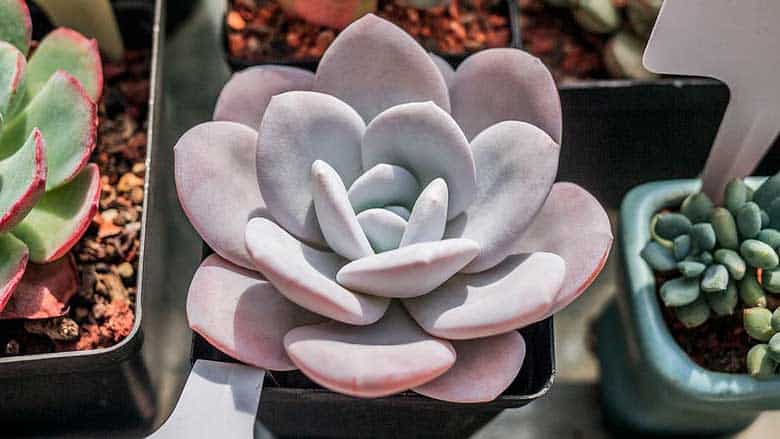
Powdery mildew is a common fungal disease that takes over succulent plants. It can be difficult to treat powdery mildew because
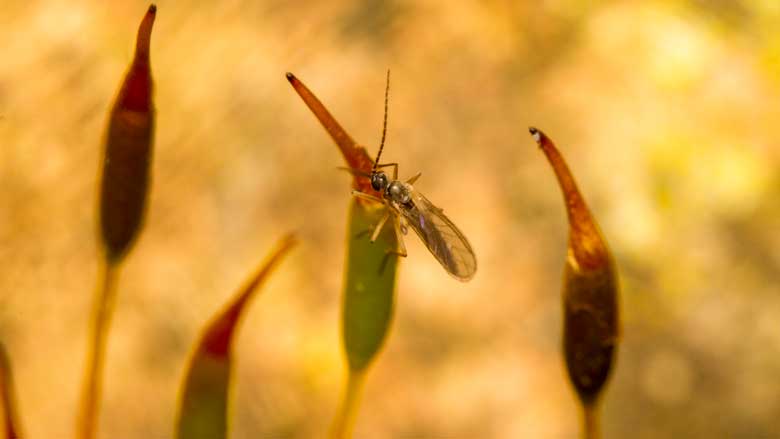
Fungus gnats on succulents are small black flies that thrive in moist soil, harming plants by feeding on roots. To eliminate
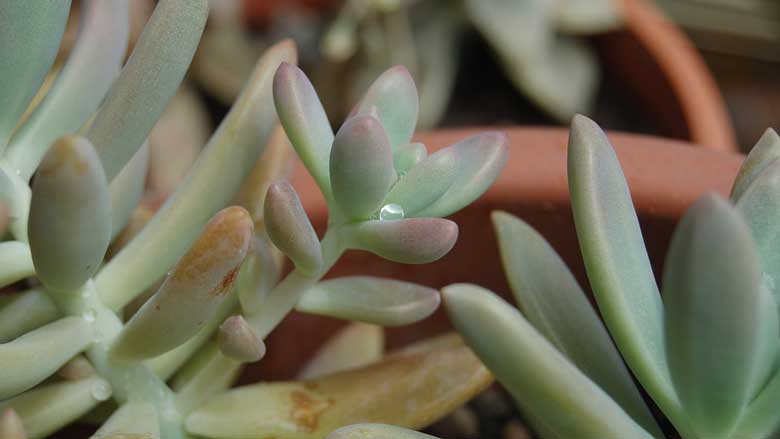
Succulents are plants that store water in their leaves, stems, or roots. They often have thick fleshy leaves, which can be
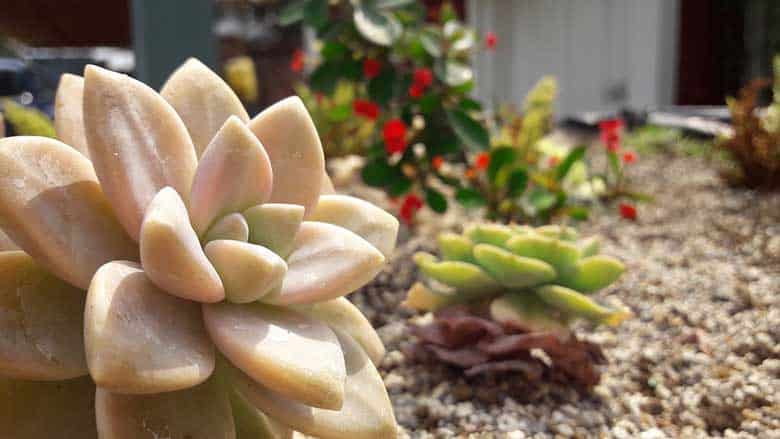
Succulent plants are really popular right now, and they can be found in all shapes and sizes. One of the reasons
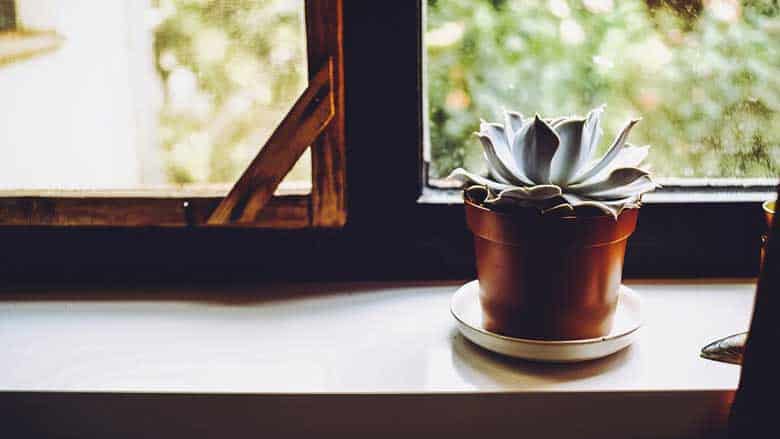
Succulents are one of the most popular plants to grow indoors. They come in various colors and sizes, from small cacti
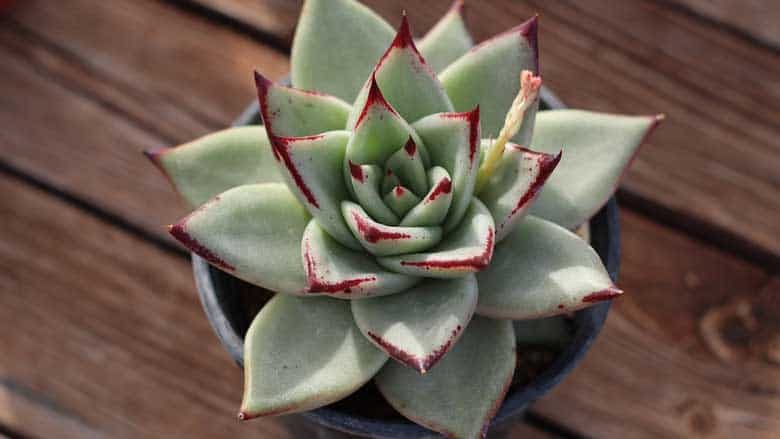
Succulents are a great addition to any garden or home. They are easy to grow, look beautiful and come in many

Succulent plants are beautiful and require very little maintenance. If you have a succulent plant that has grown too large to
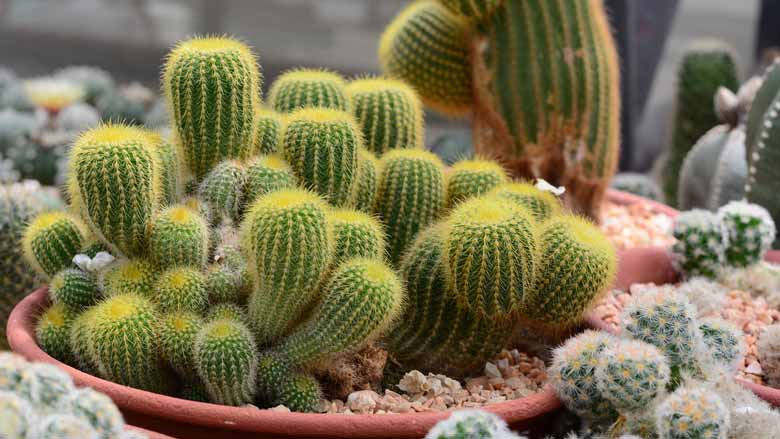
Growing cacti from cuttings is beginner-friendly. Opt for Opuntia or Echinopsis for ease. Follow these steps: Take a cutting from the
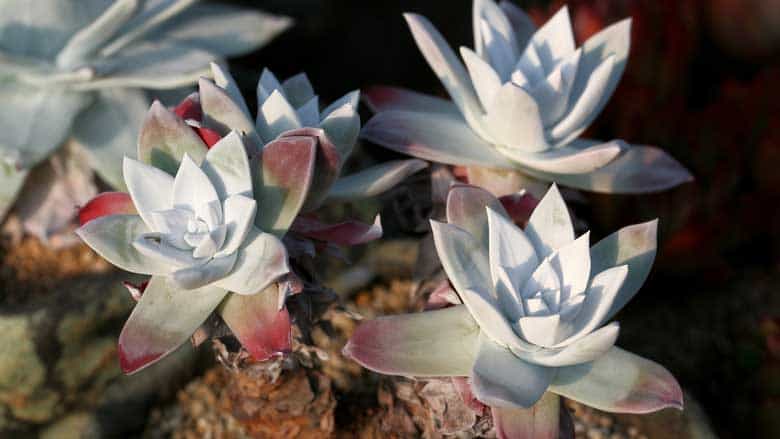
To transplant succulents, first, determine when they need it, usually every 2 years. Choose the right time (spring/summer). Prepare new pots
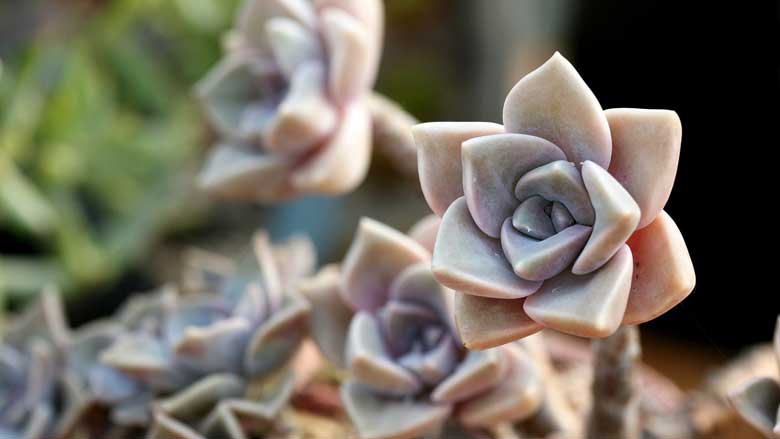
Does your succulent have a withering leaf or two? Or how about an overgrown clump of stems that has taken up
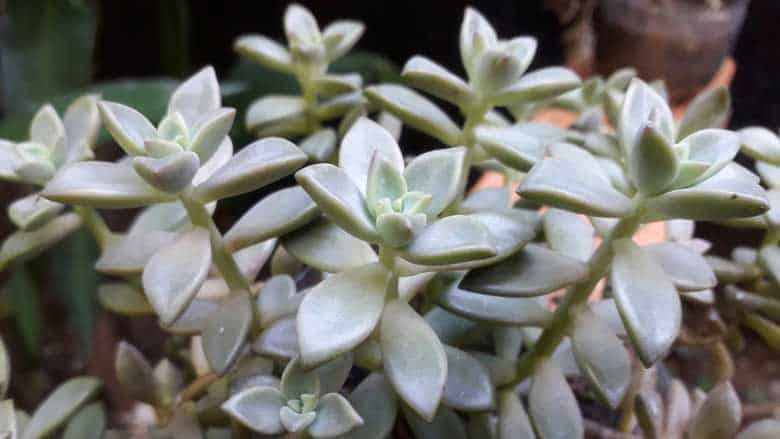
The succulent is a popular plant that can be found in many homes and offices around the world. These plants are
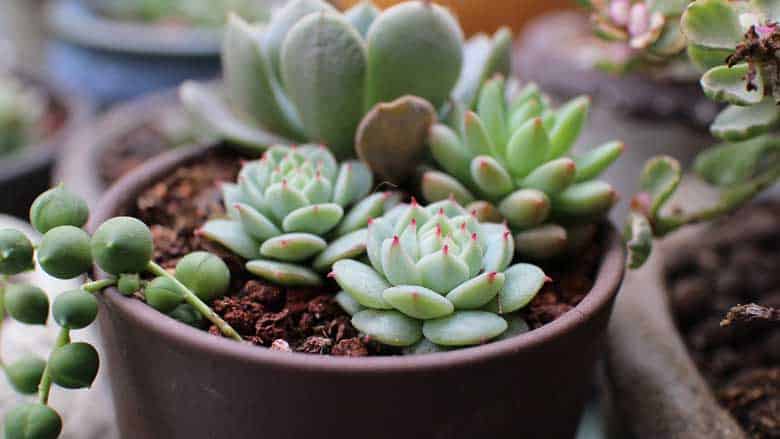
Succulents are unique plants! They can survive in dry environments, don’t need much water, and come in many different shapes and
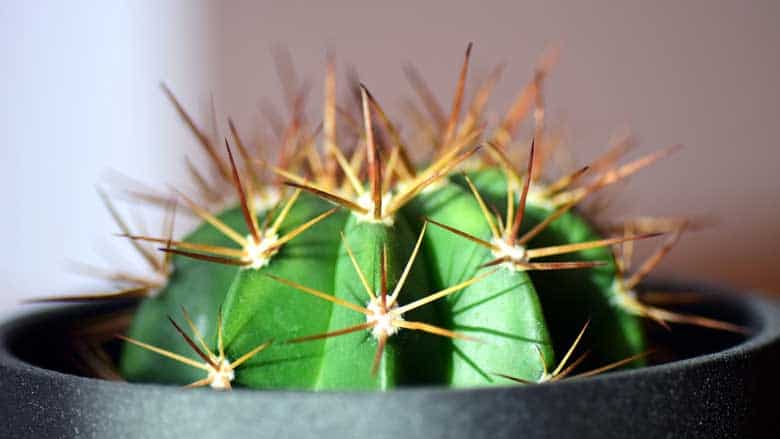
Some people think that cacti are the perfect houseplant. They take up very little space, don’t need much water, and can
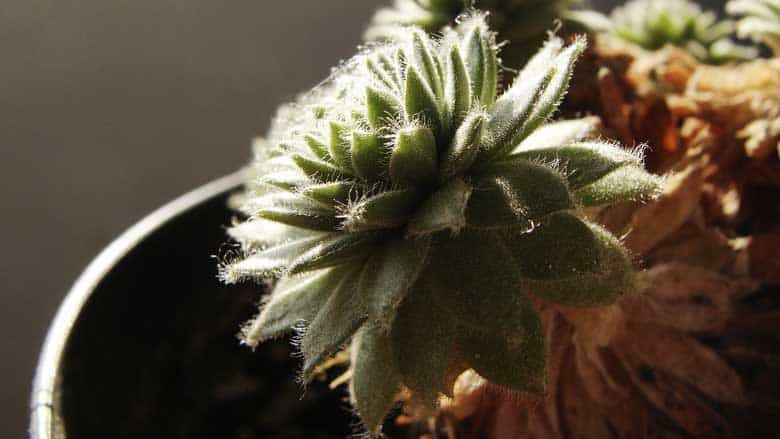
How much light do succulents need to grow and thrive? This is a common question for those looking to care for
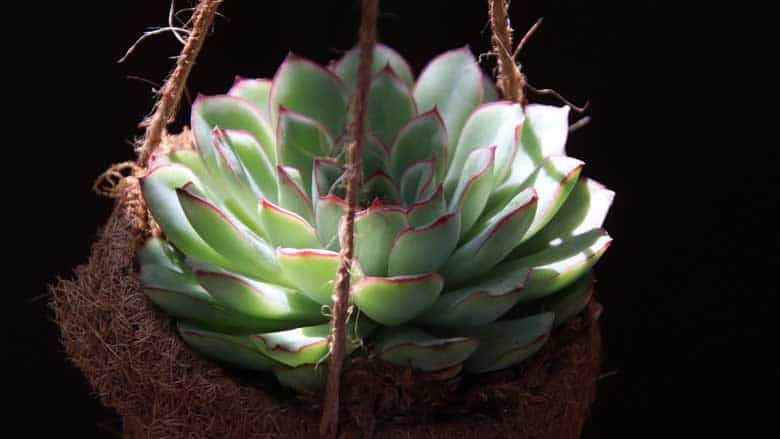
Yes, succulents generally require direct sunlight to thrive. While some specific succulent types may tolerate bright, indirect sunlight or partially shaded