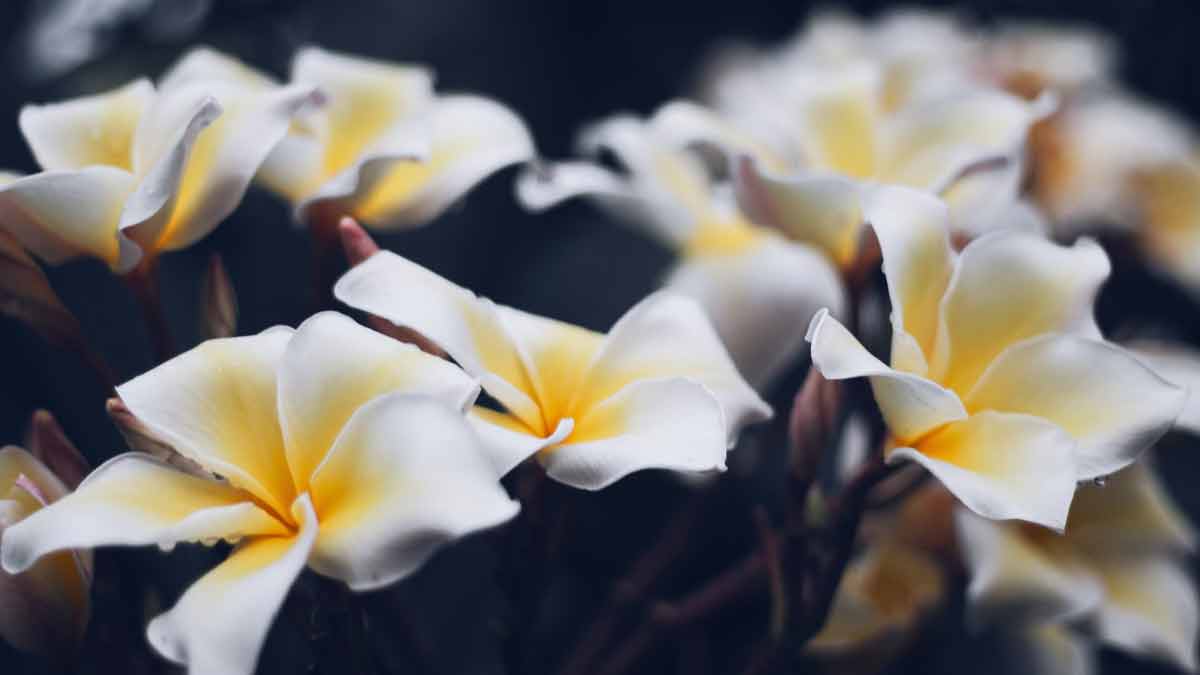
How Often Should You Water Plumeria Plants (A Complete Guide)
Plumeria plants should be allowed to dry out between watering, especially during the rooting stage. Once leaves are present, water once
Do you want to bring the outside in? Houseplants add life to any space and provide some natural beauty to your home.
Here's everything you need to know about indoor plants, from choosing the right ones to keeping them healthy.
Plumeria plants should be allowed to dry out between watering, especially during the rooting stage. Once leaves are present, water once
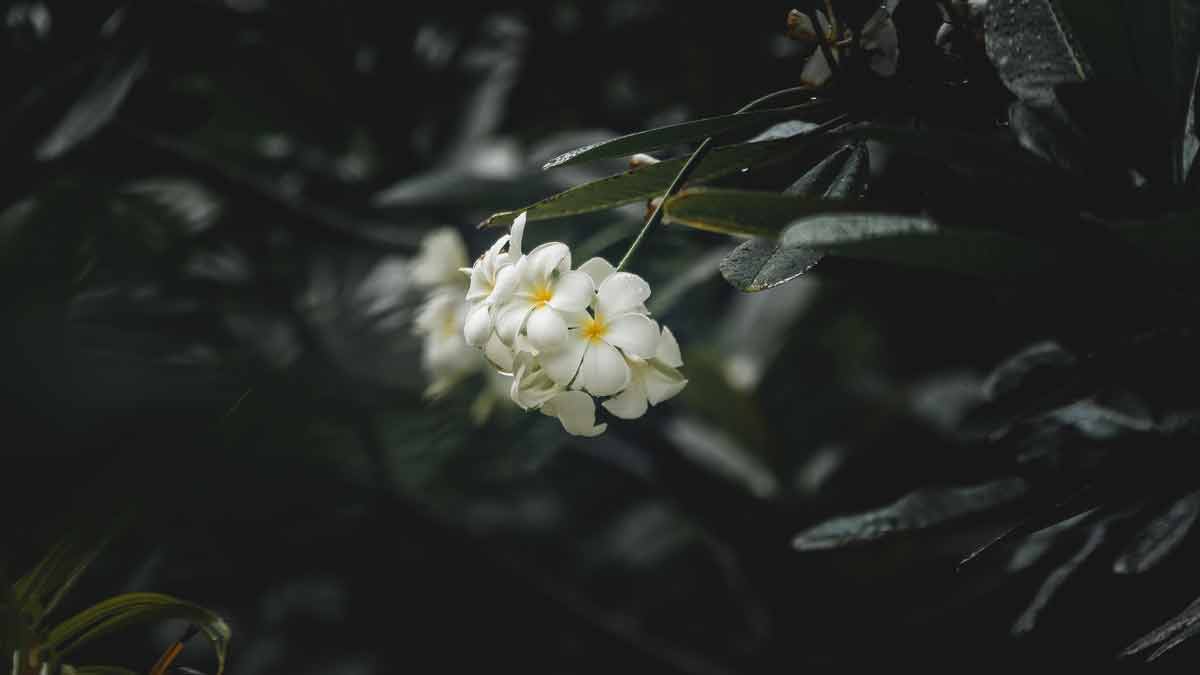
Overwatered plumeria plants have brown spots, yellow and soft leaves, wilting, and root and stem rot. They love moisture but can’t
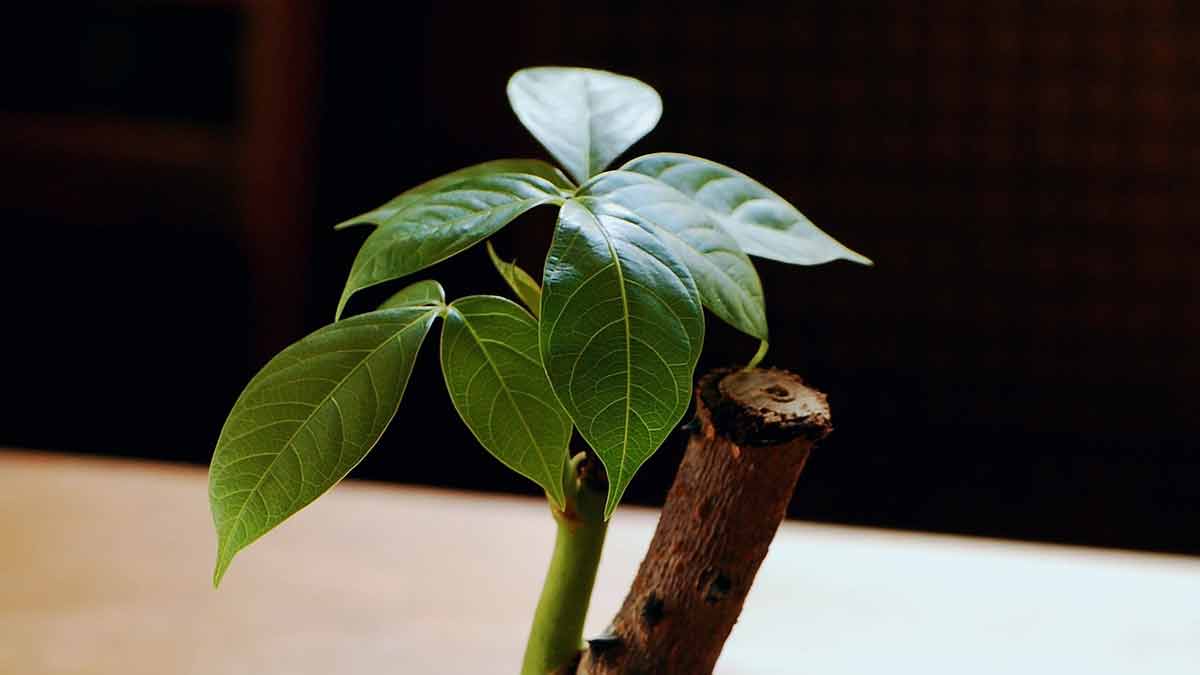
Money Tree leaves curling can be caused by overwatering, low humidity, heat stress, or underwatering. To fix, adjust watering habits, maintain
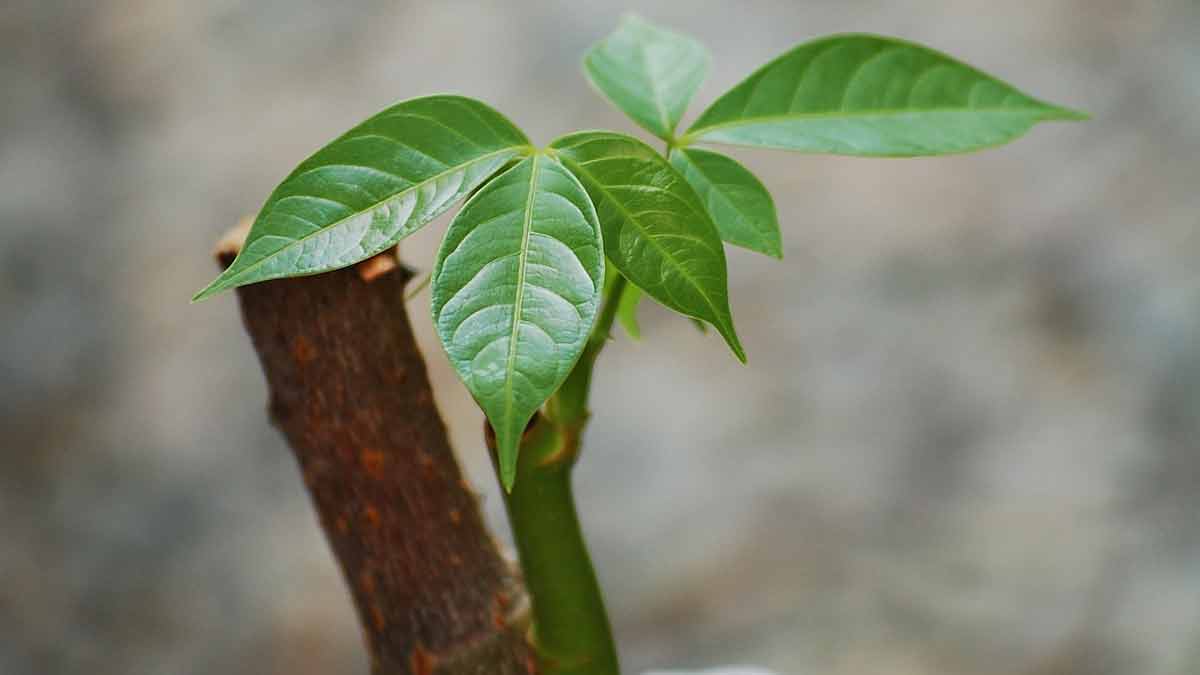
Money Trees may turn brown and dry due to incorrect watering, which can cause dehydration and leaf drop. Other causes include
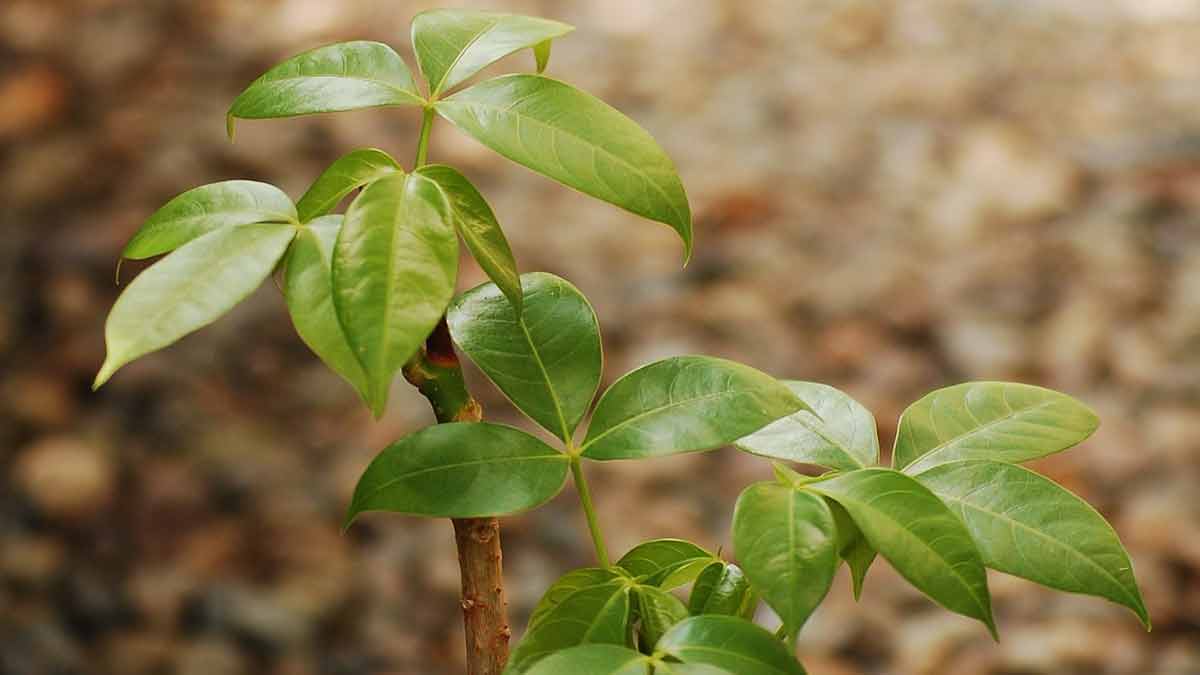
Common signs of an underwatered Money Tree include dry soil, wilting leaves, and brown and crispy leaf edges. To prevent underwatering,
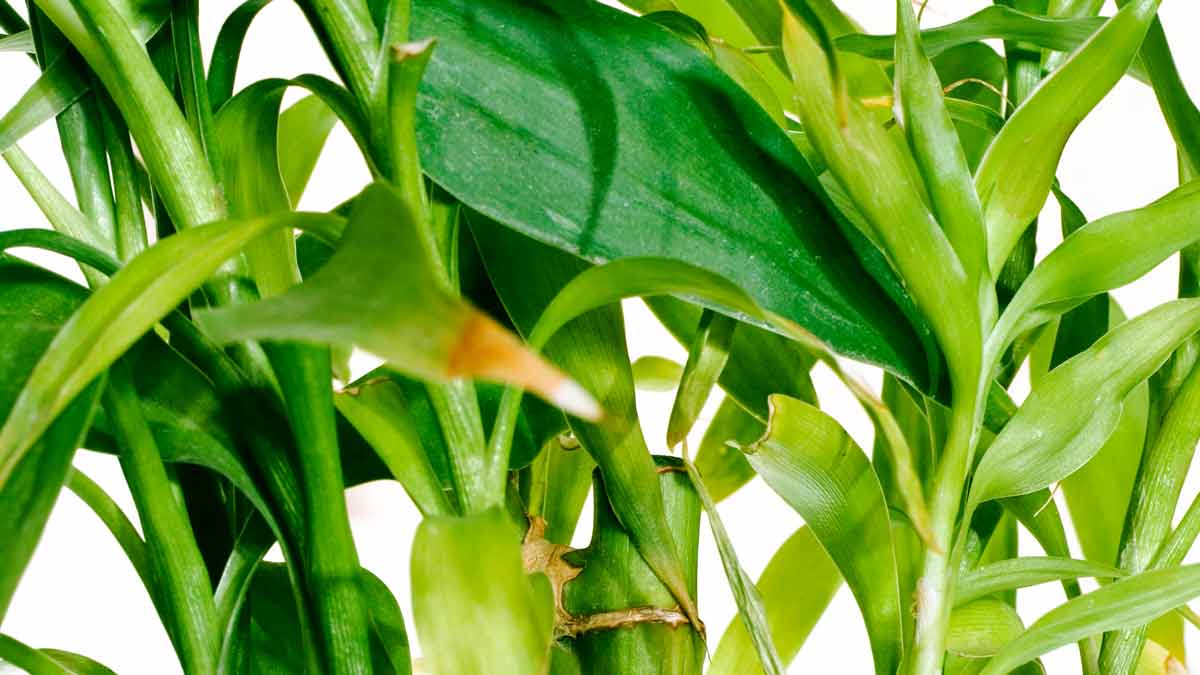
Lucky bamboo leaves can turn brown due to too much heat or insufficient sunlight. Chlorine/fluoride in tap water or too much
Lucky bamboo leaves can turn yellow due to overwatering, poor water quality, direct sunlight, temperature changes, or overfertilization. Catching the issue
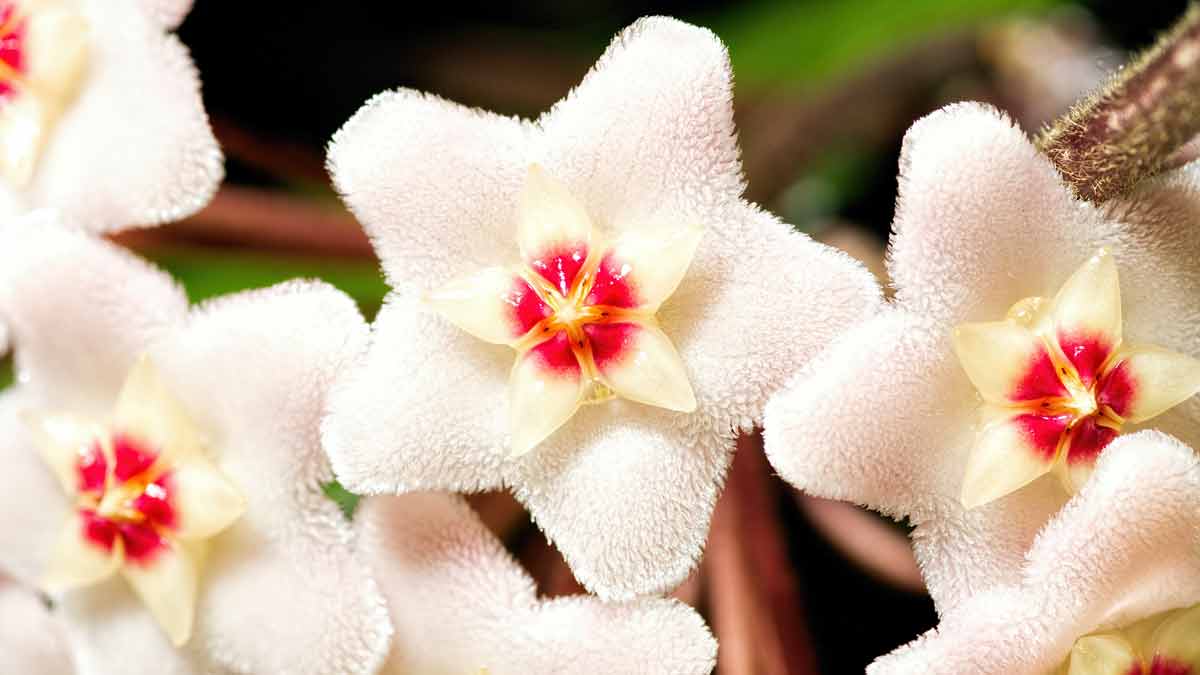
To care for a Hoya plant, water it once a week and mist it twice a week during spring and summer,
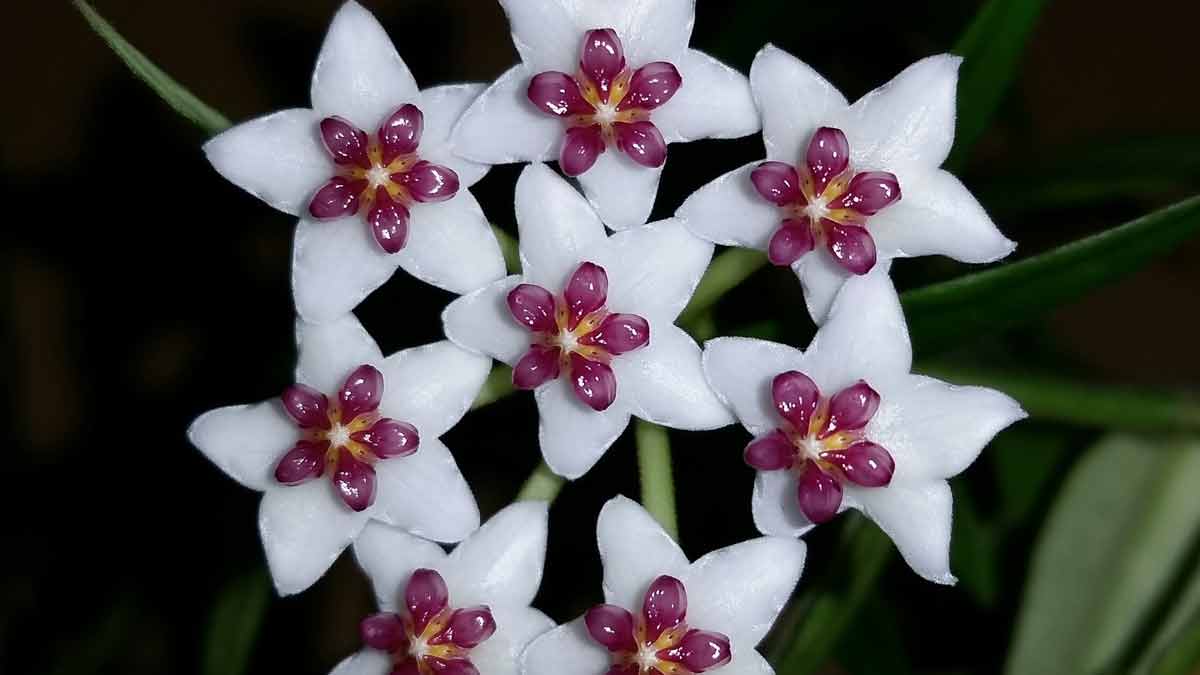
Overwatered Hoya symptoms include limp and soft leaves, yellowing or browning tips, and stem/root damage. To save the plant, dry out
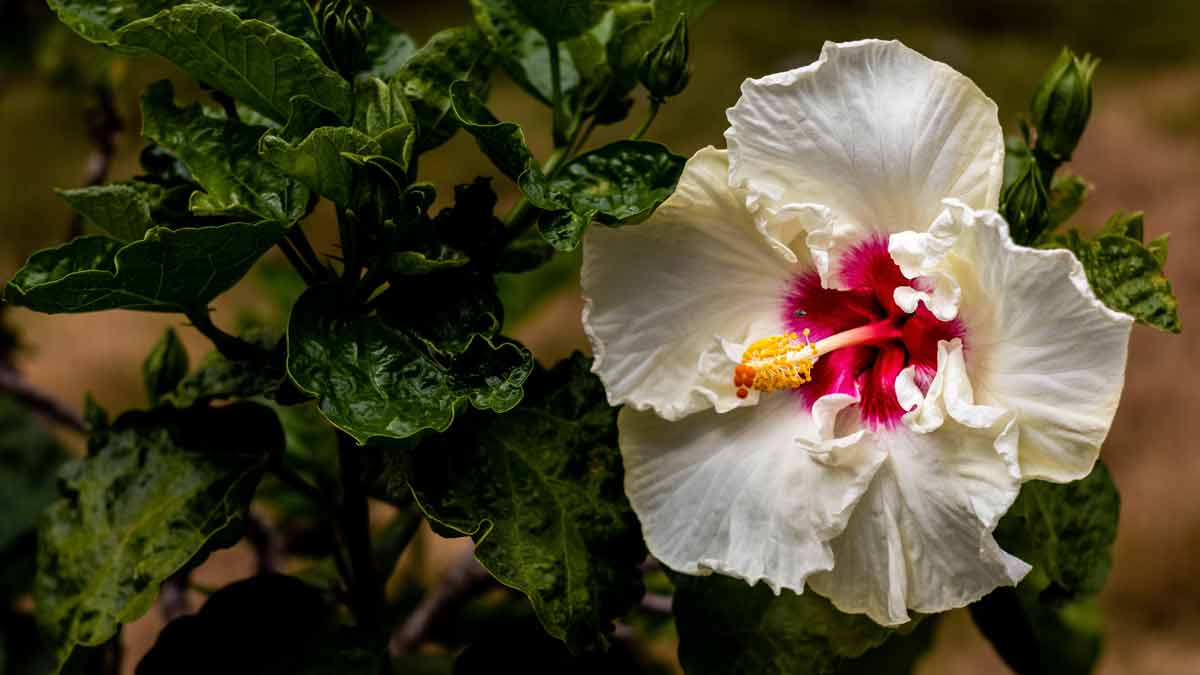
Hibiscus can be overwatered easily, causing yellowing and leaf drop. To save an overwatered plant, let it dry out and trim
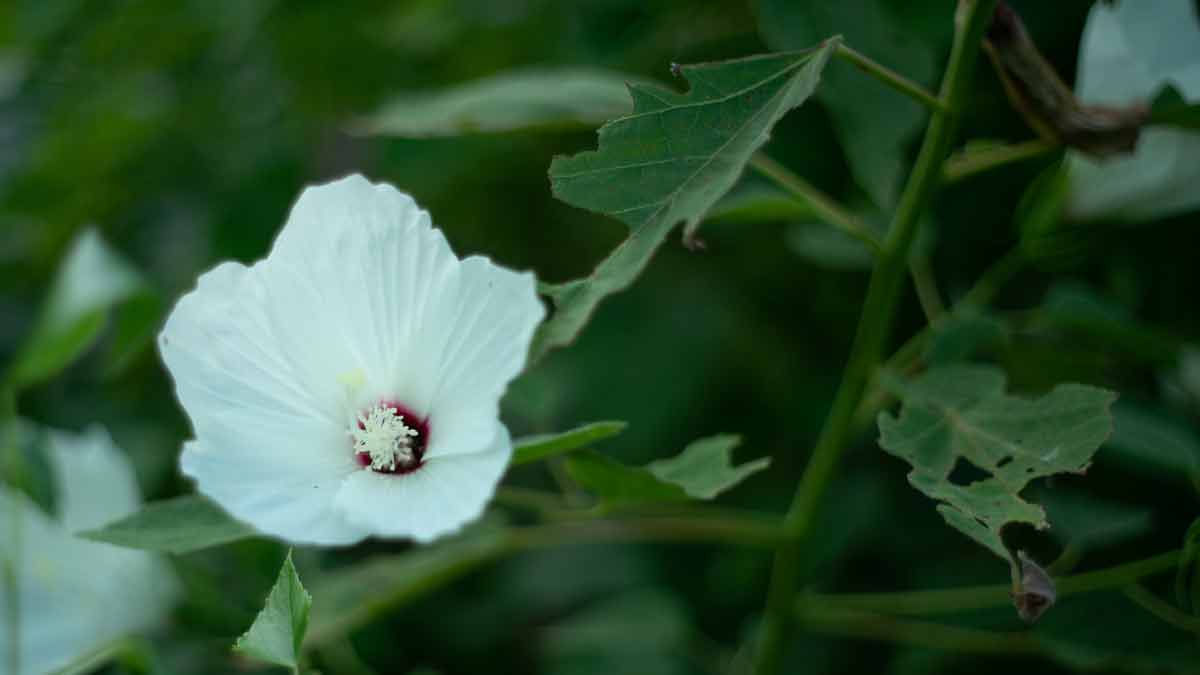
Holes in hibiscus leaves can be caused by pests like sawflies, aphids, Japanese beetles, earwigs, grasshoppers, and wind damage or disease.
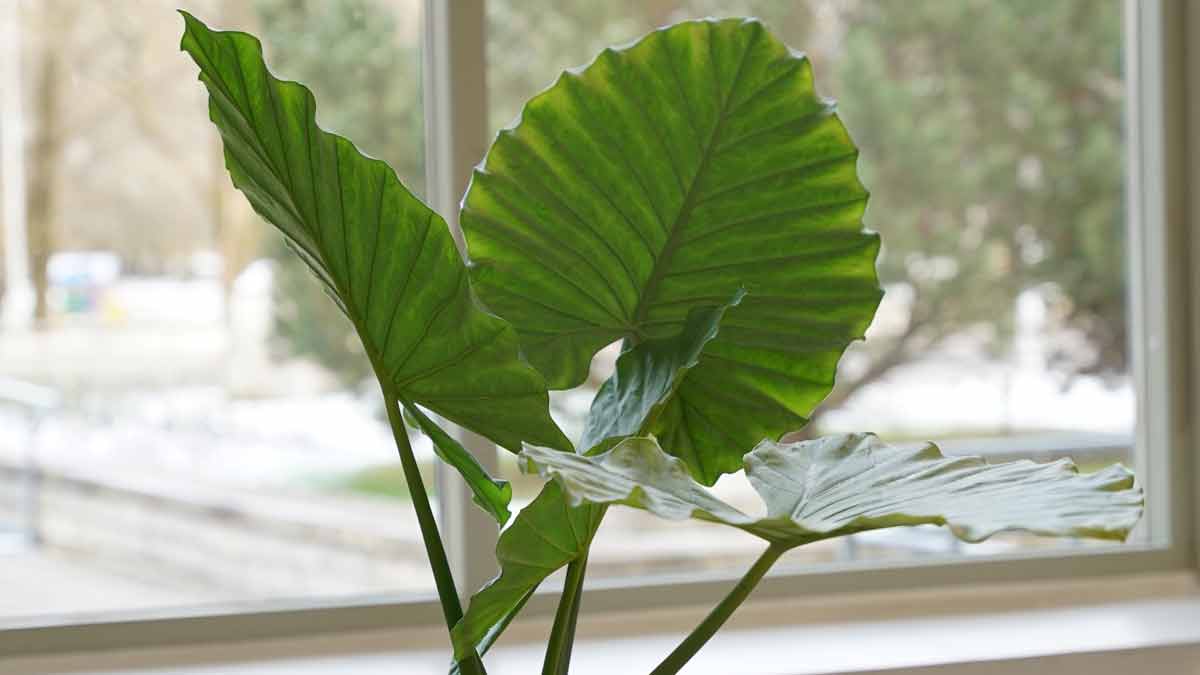
Elephant ears are a stunning addition to any home or garden. Their large, tropical leaves create an impressive visual impact. Successfully
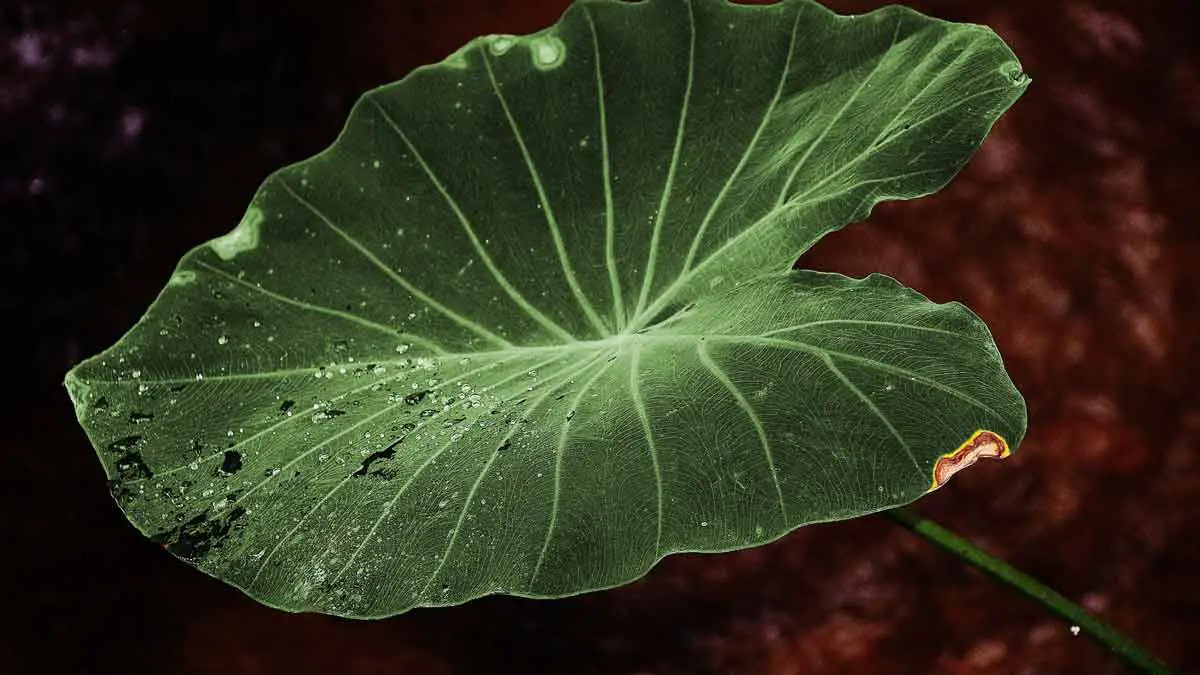
Elephant ear plants can suffer from overwatering, causing yellowing, wilting, or drooping leaves and fungus growth, and potential root rot. Proper
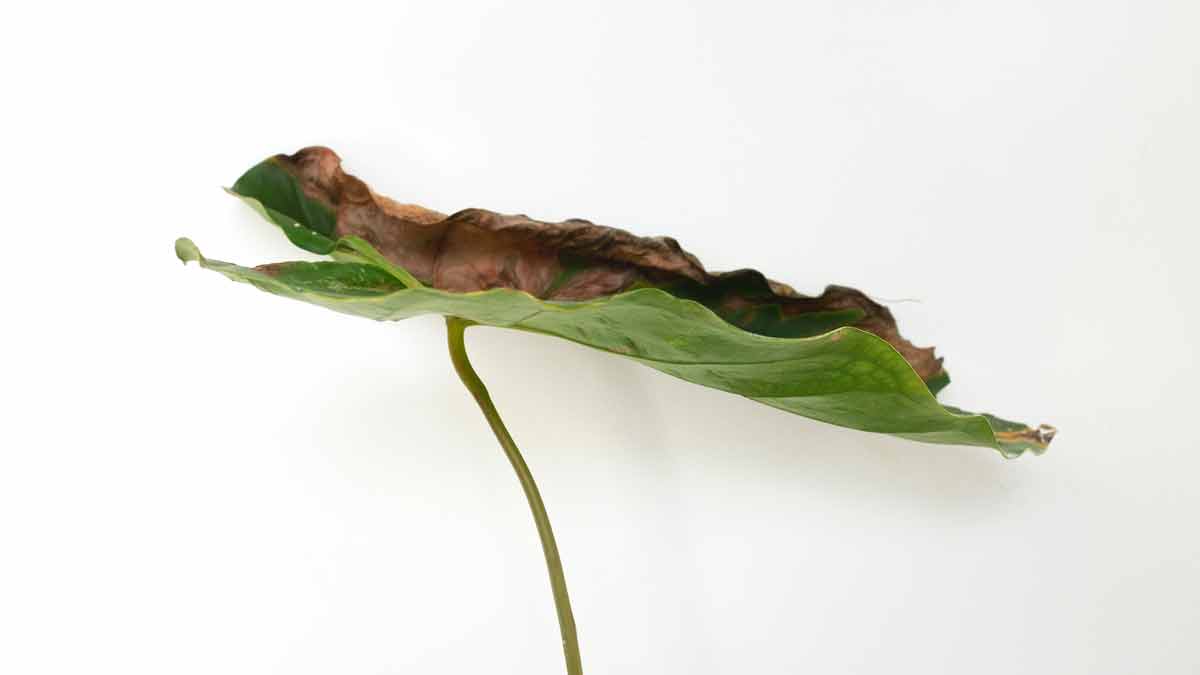
Brown leaves on Elephant Ear plants can be caused by overwatering or fungal diseases. Leaf burn from too much direct sunlight
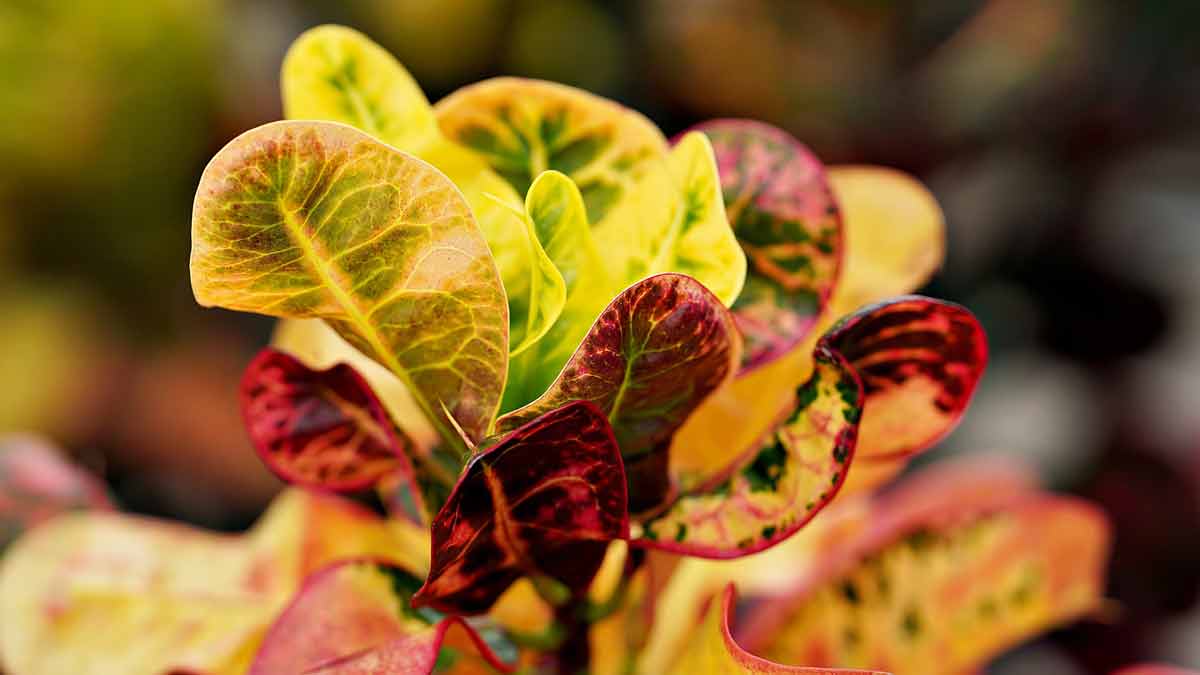
Croton plants require frequent watering to keep the soil evenly moist, but avoid overwatering and root rot. Check the soil before
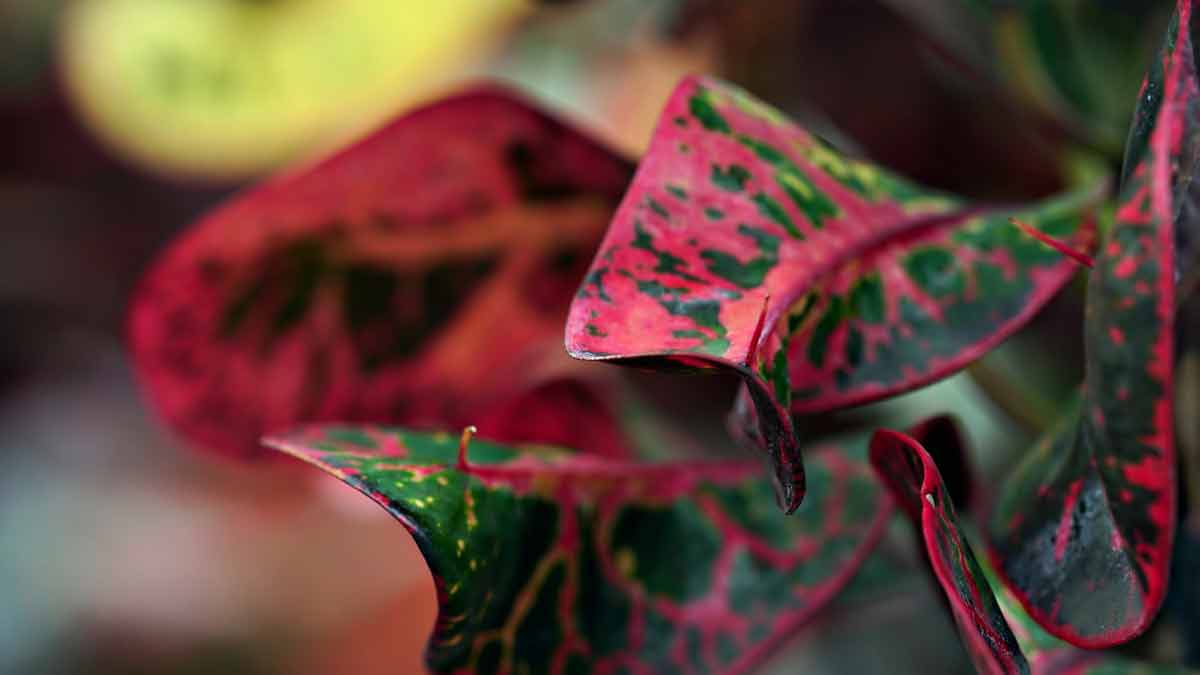
Croton plants are sensitive to overwatering, which causes wilting and yellowing of leaves. To save an overwatered croton, stop watering it,
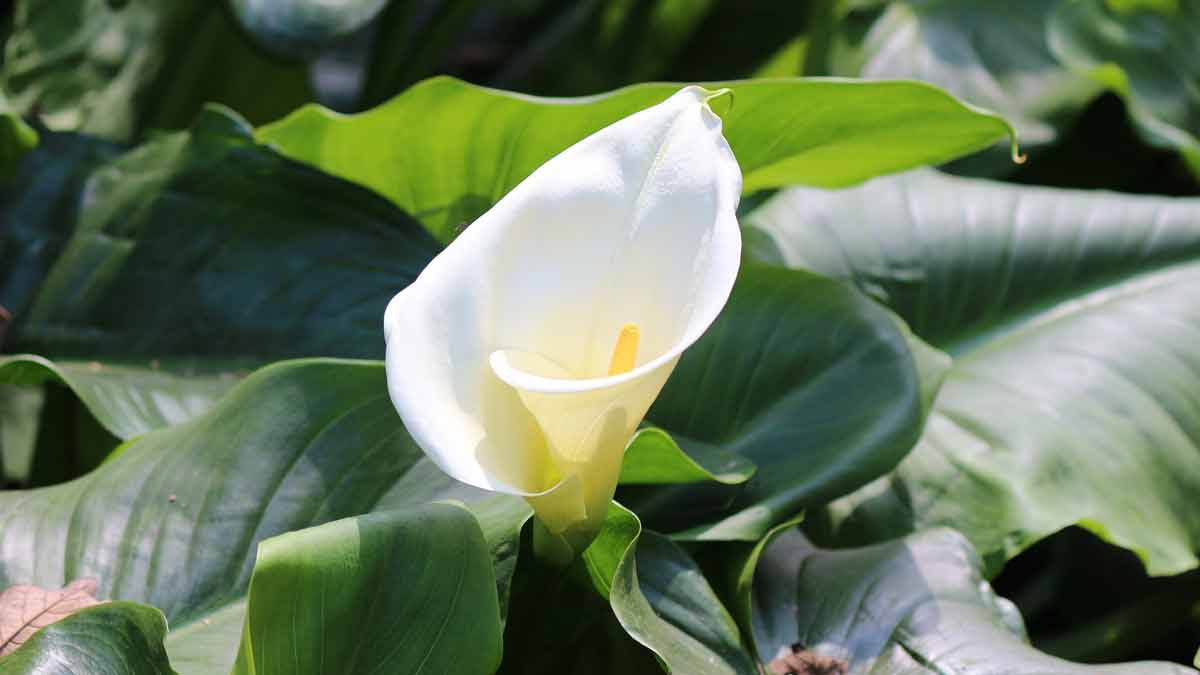
Brown tips on calla lilies can indicate overwatering or sun damage. The leaves may also turn brown due to pests, lack
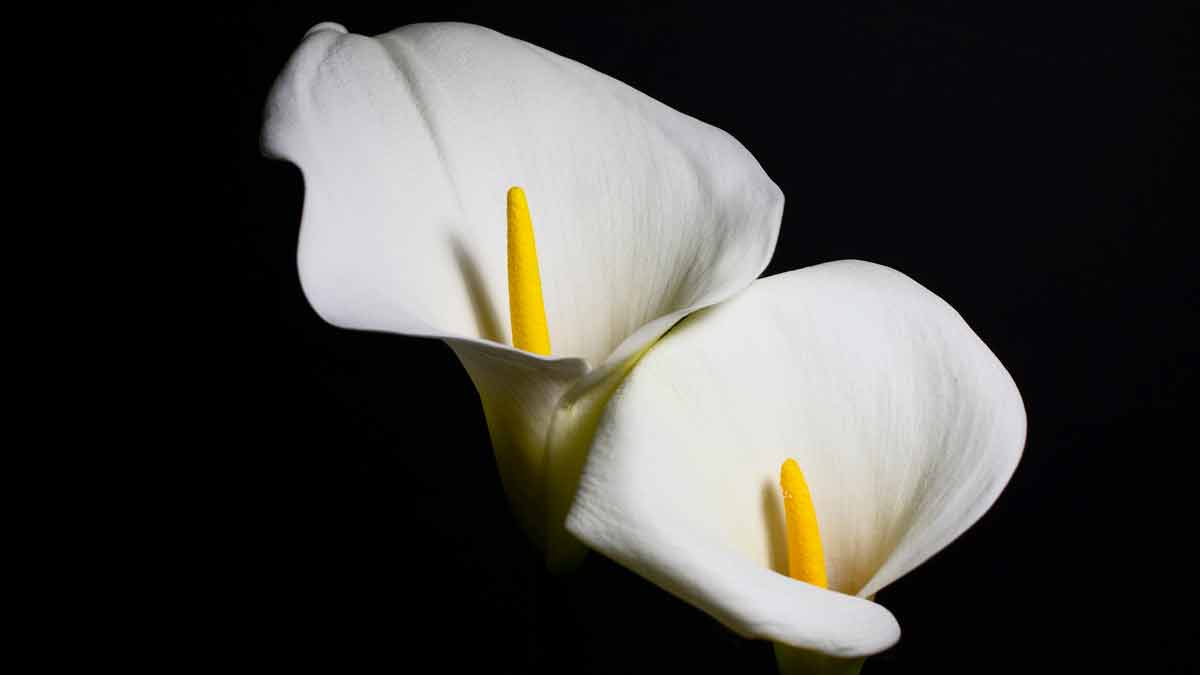
Overwatering Calla Lilies can lead to root rot and yellowing leaves, causing drooping or dying. Moist soil is needed, but over-saturation
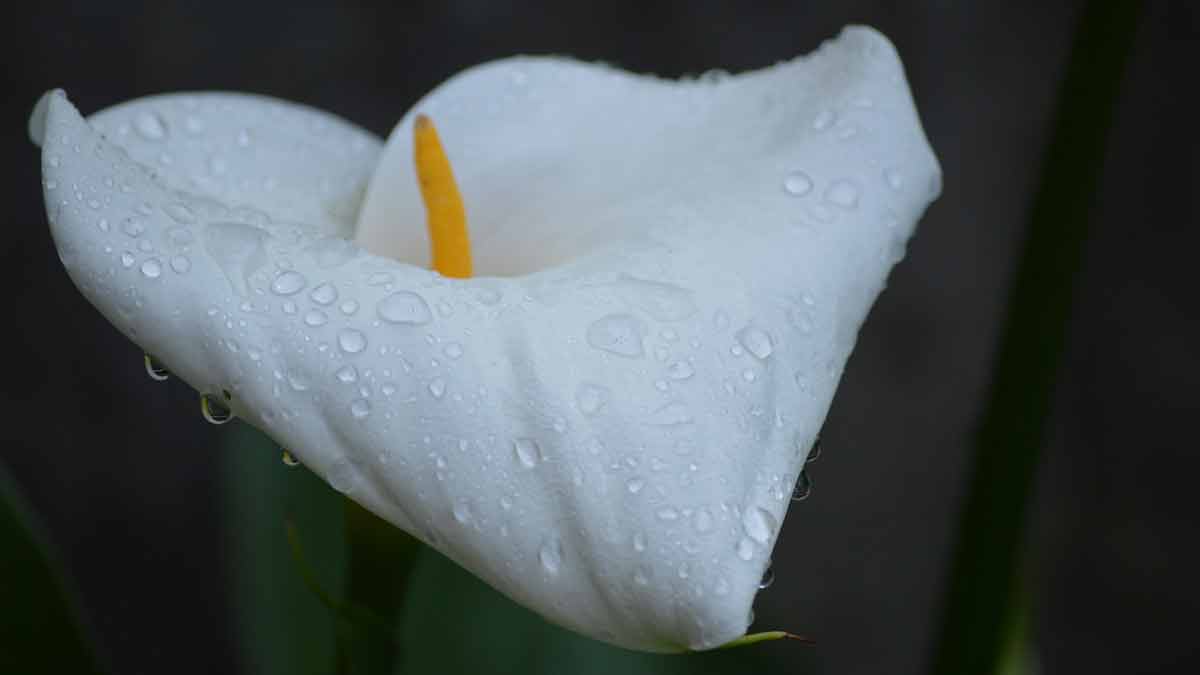
Water Calla Lilies sparingly after planting. Once established, water once a week or more in hot and dry conditions. Potted Calla
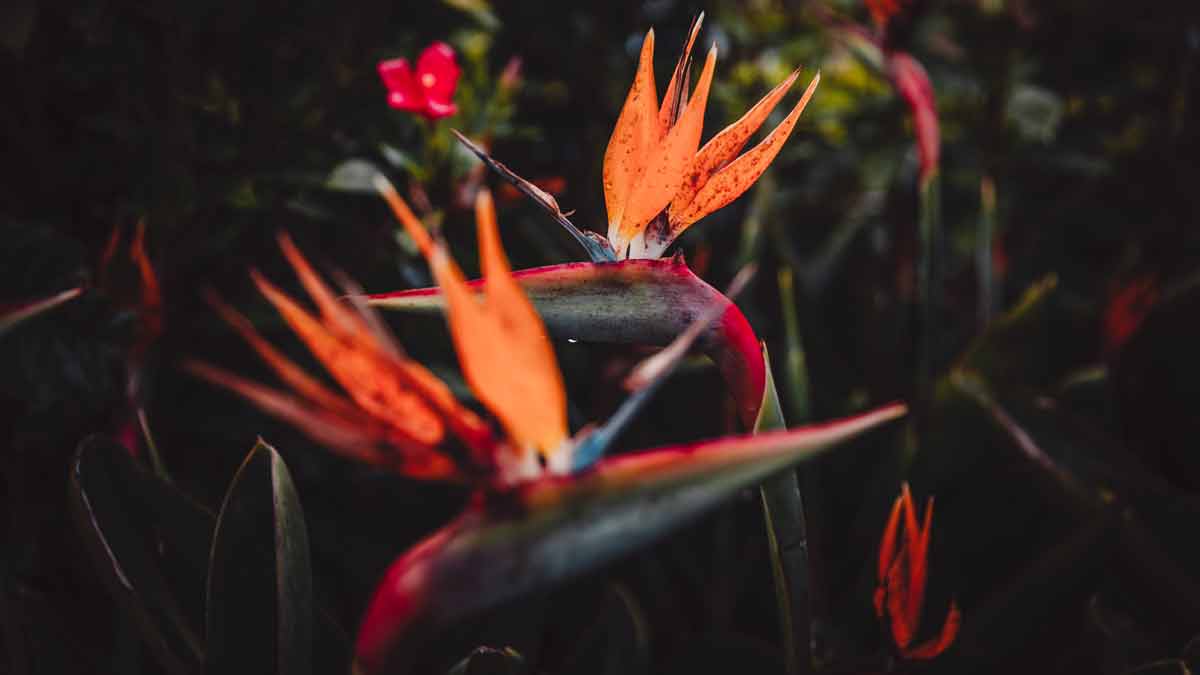
Brown spots on Bird of Paradise may indicate a fungal infection, watering issues, direct sunlight damage, or pest infestation. To treat

Bird of Paradise leaves drooping can be a sign of overwatering, underwatering, or insufficient light. Root rot and transplant shock are
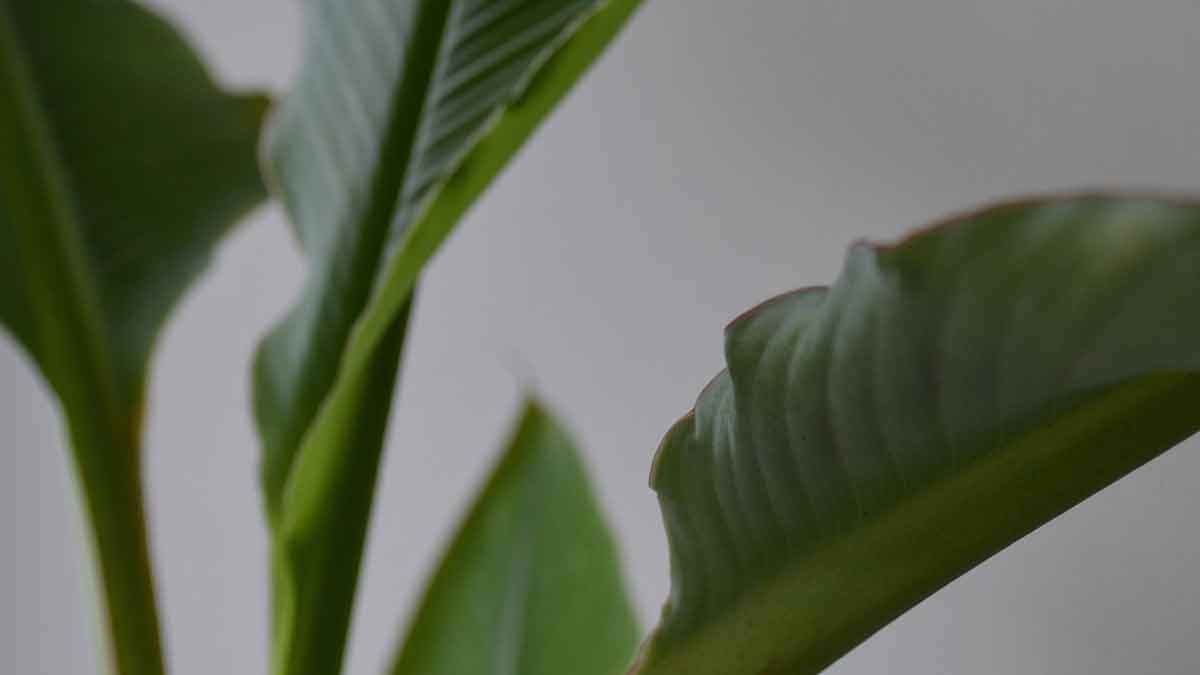
Bird of Paradise leaves splitting is normal and allows wind to pass through the leaves. However, factors like irregular watering, lack
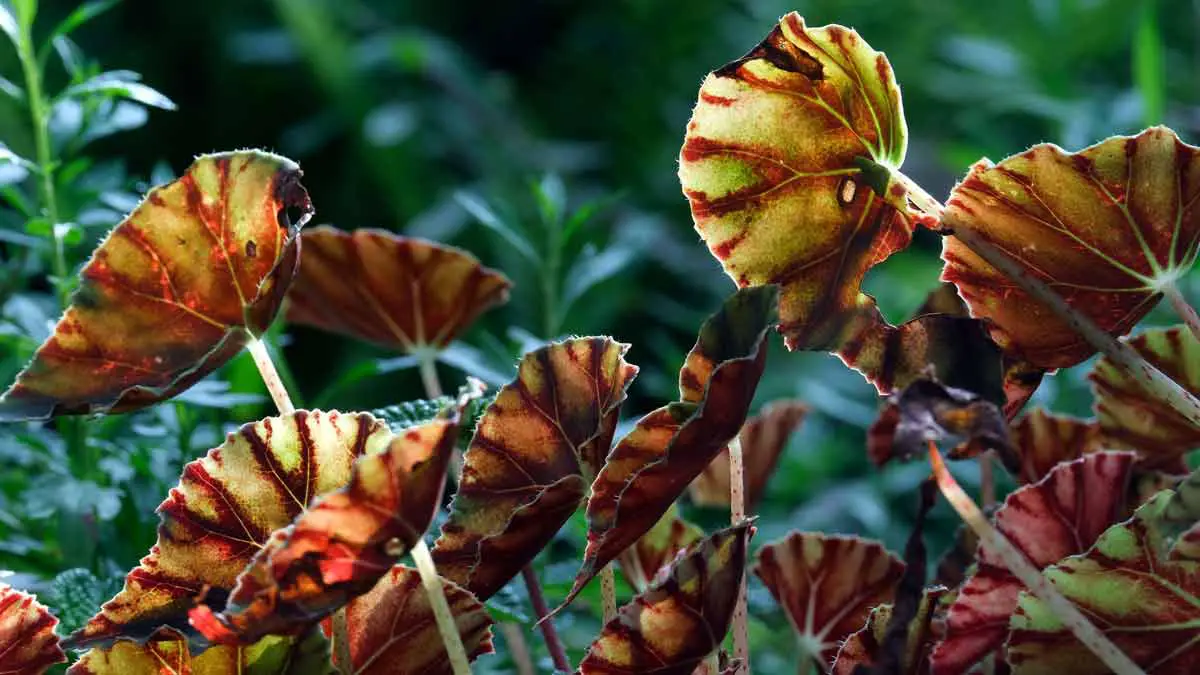
Begonia leaves may curl for various reasons, like temperature changes, water issues, and nutrient deficiencies. The optimal temp is above 60°F.
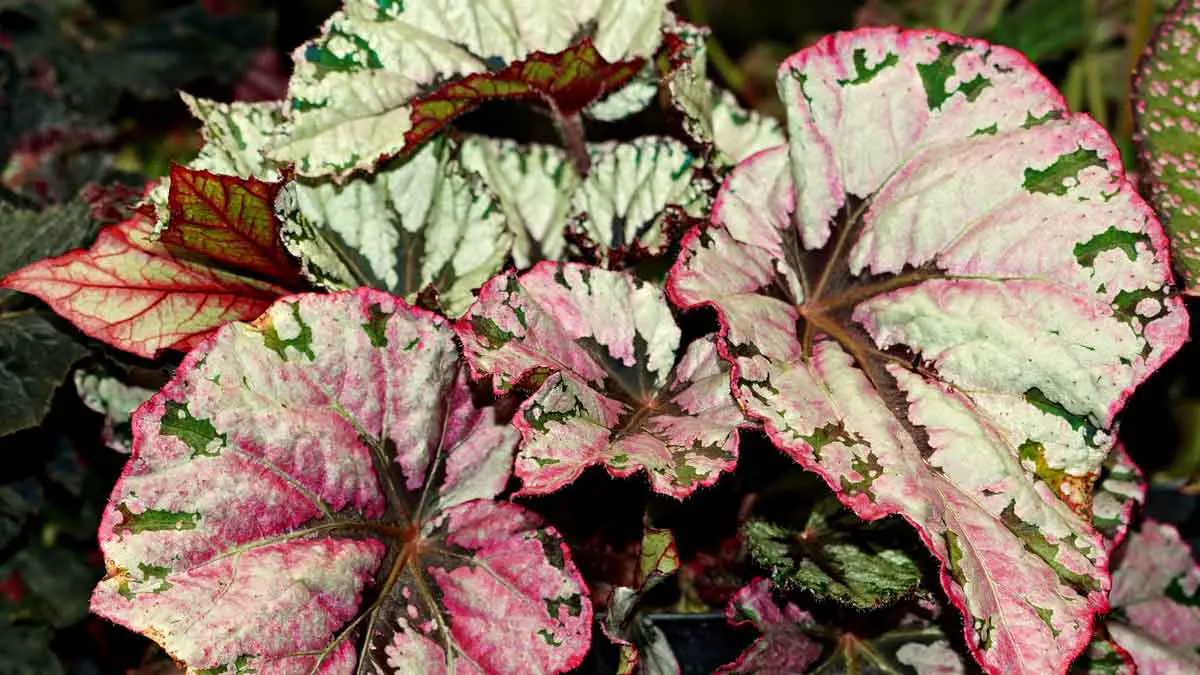
Begonia root rot is caused by overwatering, poor drainage, and infections, leading to darkened foliage and rotting roots. Treatment involves removing
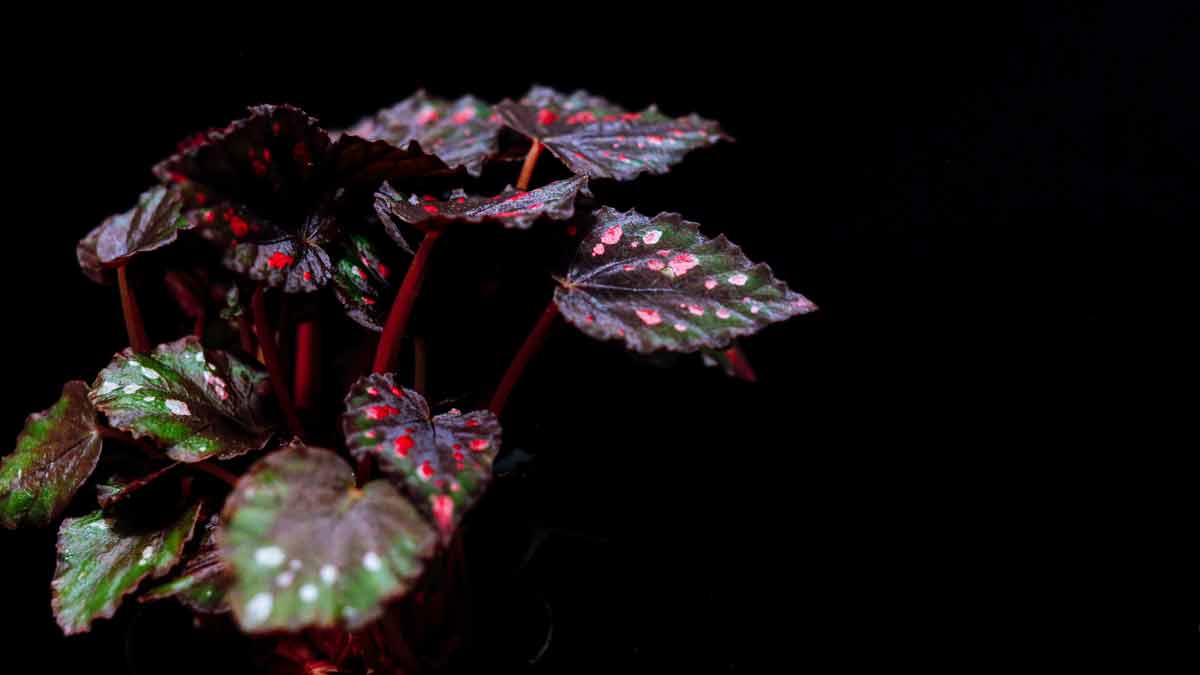
Overwatering Begonias cause yellowing leaves, leaf dropping, stem breaking, and brown leaf tips. To save an overwatered Begonia, inspect and trim
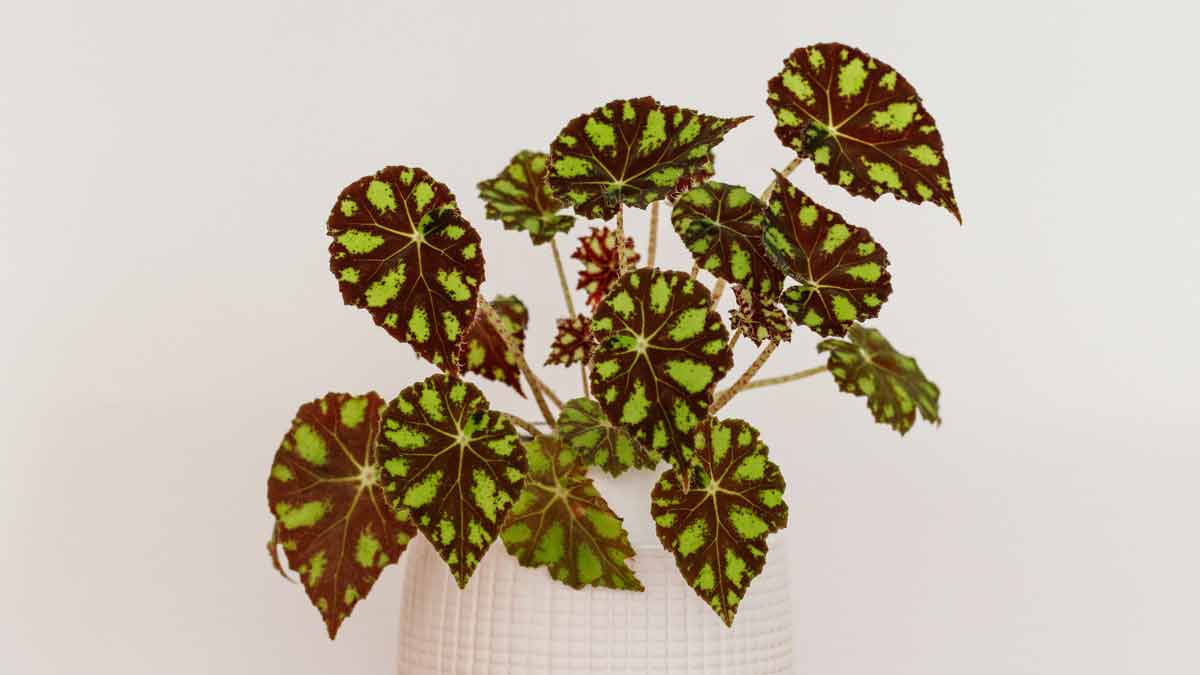
To keep begonias healthy, ensure the soil is not too dry or saturated. Water every 2-4 days or more frequently during
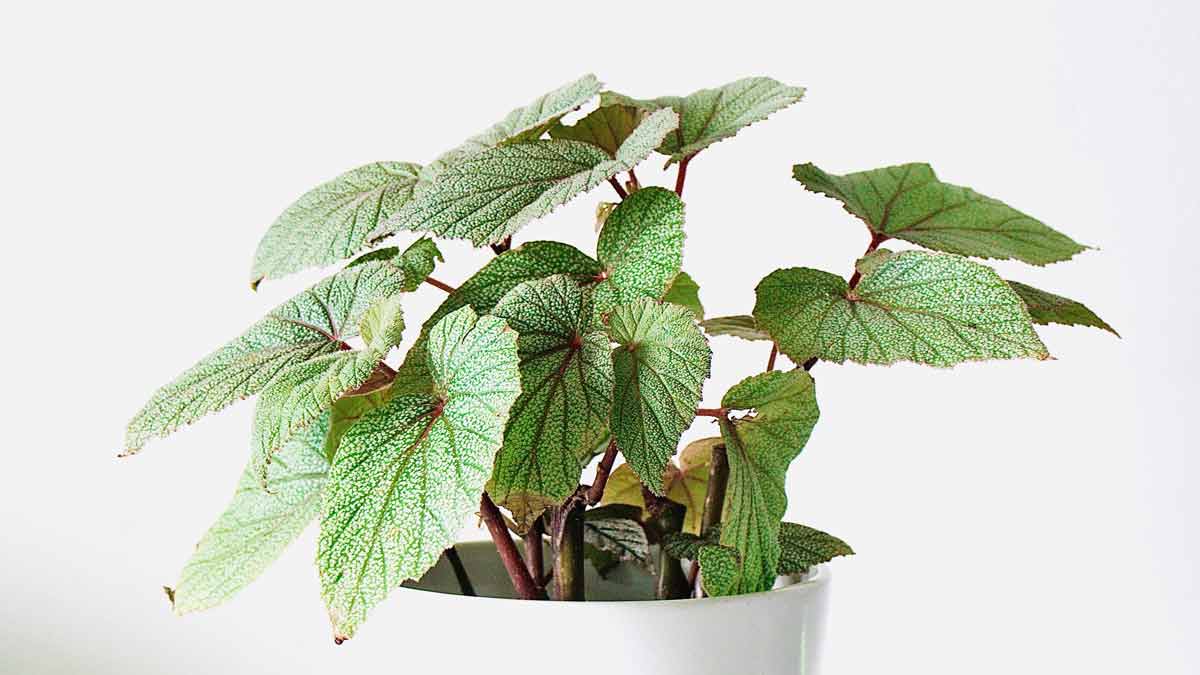
Brown Begonia leaves may result from underwatering or overexposure to direct sunlight. Other possible causes are low humidity, poor nutrition, pests,
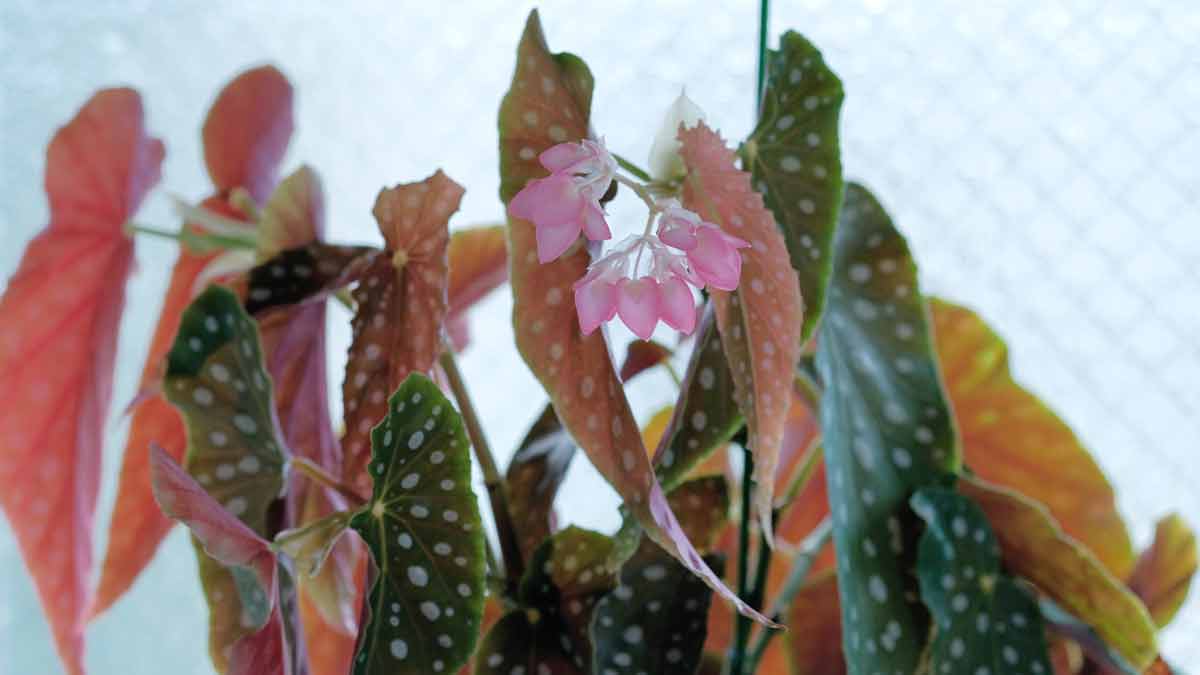
Yellow leaves on Begonias are caused by overwatering, allowing the soil to stay soggy, or letting the plant sit in water.
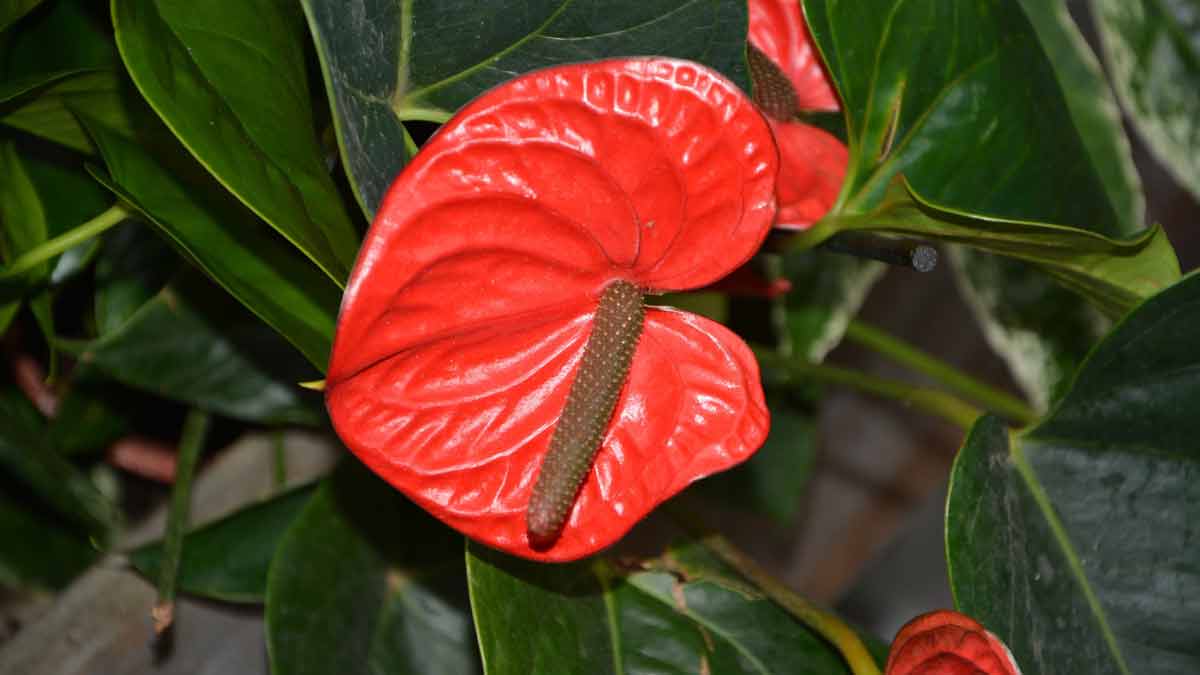
Brown spots on anthurium leaves can be caused by various factors such as overwatering, nutrient deficiencies, direct sunlight exposure, and bacterial
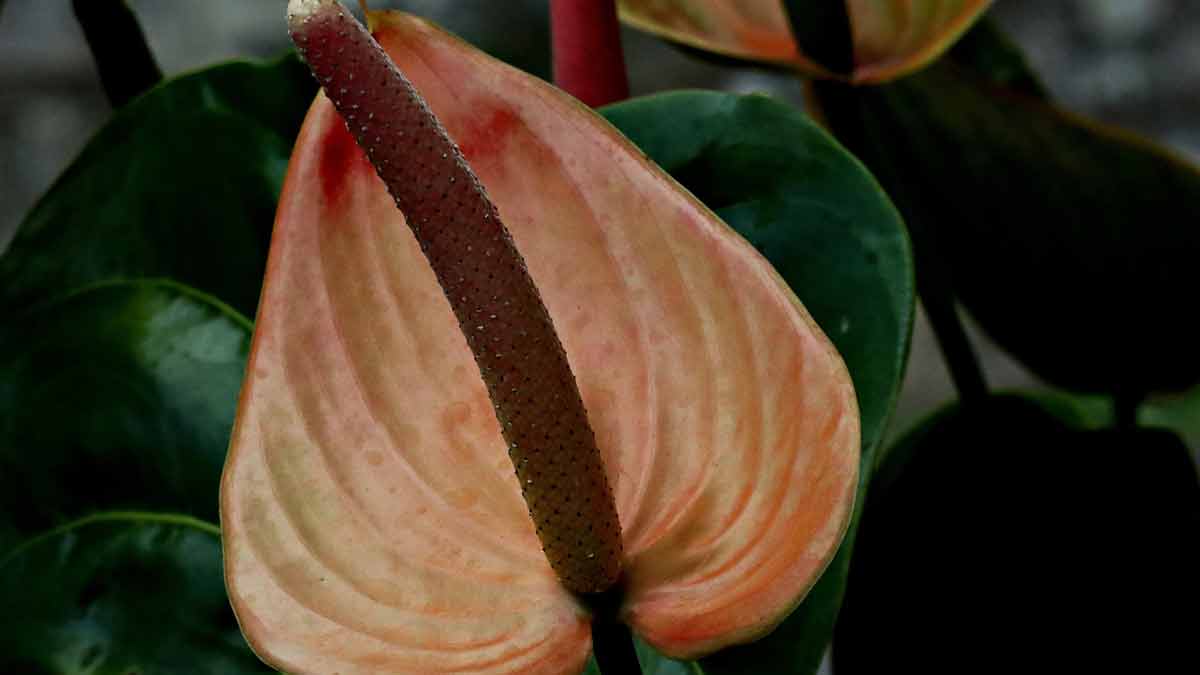
Anthurium flowers can turn brown due to natural aging or various reasons such as overwatering, underwatering, incorrect lighting, and low humidity.